The Advantages of Structured Cabling in Modern Office Design
Walk into a newly built office that feels calm, efficient, and ready for growth, and there is usually a hidden reason for that smooth experience. Behind the walls, above the ceiling grid, and inside neatly labeled racks, the cabling has been planned rather than improvised. That decision shapes far more than internet speed. It affects how teams move, how quickly departments can expand, how reliably meeting rooms work, and how expensive future changes become.
Structured cabling rarely gets the same attention as furniture, lighting, or collaboration software, yet it has a direct impact on how well a workplace functions. A modern office depends on steady connectivity for phones, access control, wireless access points, security cameras, printers, conference systems, and the core business network itself. When those systems are tied together with a disciplined cabling approach, the office becomes easier to manage and far more adaptable.
In practice, this means replacing the patchwork of ad hoc wiring with a coherent system for network cabling, data cabling, and low voltage cabling. The advantages show up immediately during construction and even more clearly over the next five to ten years.

What structured cabling actually means in an office
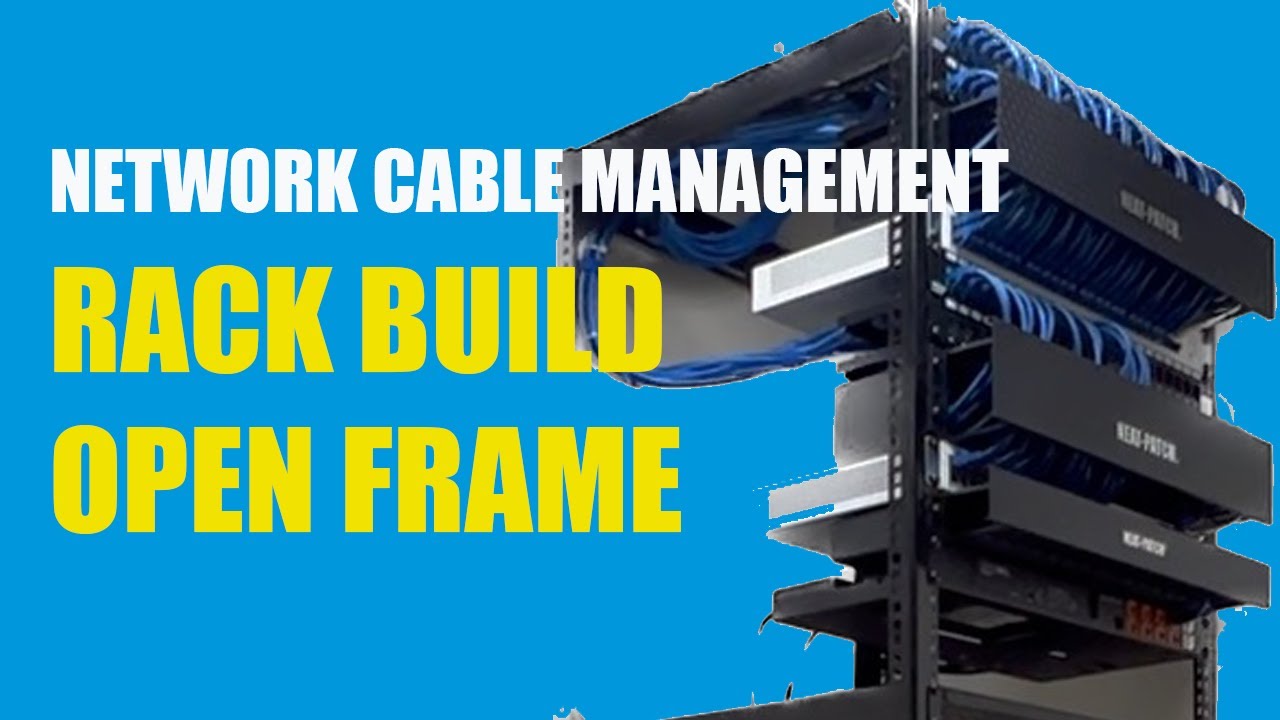
Structured cabling is a standardized method for designing and installing a building’s communications infrastructure. Instead of running random cables wherever a device happens to be needed, the installer creates a central framework: telecommunications rooms, patch panels, cable pathways, labeled drops, and predictable termination points at workstations, conference rooms, reception areas, and support spaces.
That framework supports multiple services over the same organized backbone. A single office network cabling plan may carry wired data connections, VoIP phone service, wireless access point uplinks, camera traffic, badge readers, and audiovisual equipment. The point is not just neatness. The point is interoperability, maintainability, and room to grow.
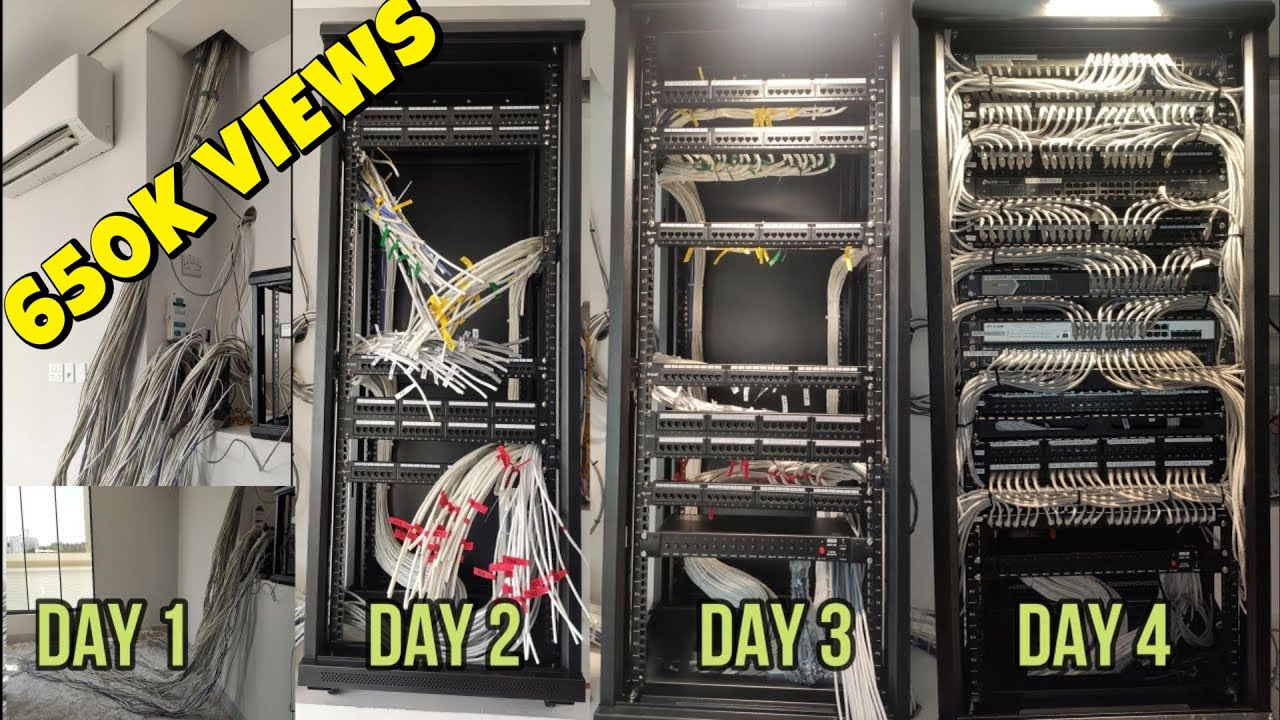
The contrast is easy to spot in older offices. Many have accumulated years of partial upgrades: a few legacy phone lines, scattered ethernet cabling installed at different times, unlabeled runs, different cable grades mixed together, and small unmanaged switches tucked into corners to make up for poor planning. Those setups usually function until a business changes something important, such as adding staff, moving departments, upgrading Wi-Fi, or installing more security hardware. Then the hidden cost appears.
Better office design starts with infrastructure, not furniture
Office design often begins with visible decisions like private offices versus open seating, collaboration zones, and meeting room layouts. Those choices matter, but they should be made alongside infrastructure planning, not before it. Structured cabling gives designers and business owners more freedom because it creates known connection points where people actually work.
A flexible floor plan depends on that predictability. If every workstation area has properly located outlets and every conference room has sufficient data cabling, teams can shift seating arrangements or repurpose rooms without tearing into walls. A training room can become a sales pod. A quiet office can be converted into a video meeting suite. A storage room can become an IT support room. Good cabling does not lock the space into one use.
I have seen offices spend heavily on aesthetic upgrades while postponing network cabling installation until late in the project. That usually leads to compromise. Floor boxes end up in awkward places, access points get mounted where they are easiest to cable rather than where they perform best, and audiovisual systems are installed with extension solutions that look temporary because they are temporary. By comparison, projects that coordinate furniture, ceiling plans, power, and data from the start feel cleaner and cost less to modify later.
Reliability is the first advantage people actually notice
Most employees do not care what category cable sits behind the wall. They care whether a video call freezes, whether a file sync stalls, or whether a phone system drops audio in the middle of a client discussion. Structured cabling improves reliability because it reduces weak points.
A proper business network installation uses tested runs, consistent terminations, standardized patching, and appropriate cable pathways. Each of those details matters. Poor bends can affect performance. Sloppy terminations can cause intermittent faults that are miserable to trace. Unlabeled patching turns a simple move into a support ticket that takes half a day.
The reliability gain becomes even more important when offices rely on cloud platforms and real-time collaboration tools. Many workflows that once tolerated a slow or unstable connection no longer do. Finance teams work in hosted systems. Sales teams live inside CRM platforms. Designers move large files over internal networks. Hybrid meetings depend on stable uplinks and properly placed wireless access points. A structured cabling backbone gives those systems a better chance of performing consistently.
This is also where cable category decisions matter. CAT6 cabling is still a strong fit for many office environments, especially where run lengths, bandwidth needs, and budgets line up sensibly. CAT6A cabling often makes more sense when the office expects higher throughput, denser wireless deployments, or a longer upgrade horizon. There is no universal answer. The right choice depends on current applications, likely future demand, distance limitations, and the practical realities of installation.
Moves, adds, and changes become far less painful
Businesses almost never occupy space exactly as originally planned. Headcount changes. Departments merge. A conference room becomes a podcast room. An executive office turns into a hot-desking area. Structured cabling makes those moves manageable because the system is designed for reconfiguration.
In a well-planned office, changes are handled at the patch panel or local telecommunications room rather than with emergency recabling across occupied space. That difference saves time, keeps disruptions down, and protects the professional appearance of the office.
One project that comes to mind involved a fast-growing professional services firm that added nearly 30 percent more staff within a year of moving into a new suite. Because the original office network cabling had included spare capacity in the pathways, patch panels, and outlet locations, the expansion was mostly an exercise in patching and furniture changes. In another office, built more cheaply with minimal future capacity, the same kind of expansion led to exposed raceways, after-hours cable pulls, and a week of frustration for employees.
That is one of the strongest practical arguments for structured cabling. It does not just support what the office is on day one. It supports what the office is likely to become.
A cleaner path for wireless, security, and modern devices
There is a persistent misconception that stronger Wi-Fi reduces the need for cabling. In reality, better wireless usually increases the importance of sound cabling. Every wireless access point still needs a solid wired uplink. If the access points are poorly placed because cable routes were an afterthought, users will feel it in dead zones, weak roaming performance, or overloaded coverage areas.
The same logic applies to low voltage cabling for security and building systems. Offices today commonly integrate cameras, door access control, occupancy sensors, visitor management tools, digital signage, and smart conference room hardware. These systems may be visible at the device level, but their reliability depends on the underlying cable plant.
A structured low voltage cabling approach helps coordinate all of those systems without turning the building into a tangle of one-off installations. It also reduces conflict between trades. When the communications pathways are defined early, electricians, security vendors, IT teams, and furniture installers can work from a shared plan instead of improvising around each other.
Troubleshooting gets faster, and downtime gets shorter
Anyone who has ever inherited a poorly organized server room knows the value of labels. When every cable run is documented and every termination point is known, diagnosing a fault becomes a controlled process instead of a guessing game.
This matters because downtime costs more than most businesses estimate. Sometimes the cost is direct, such as lost billable hours or interrupted customer service. Sometimes it is less visible, like staff waiting for conference technology to work while a meeting runs late. Structured cabling reduces that operational drag by making the physical layer legible.
A disciplined system usually includes these basics:
- clearly labeled cable runs at both ends
- patch panels organized by area or function
- test results from the network cabling installation
- dedicated pathways and proper cable management
- room for future growth in racks, panels, and conduits
None of this is glamorous, but it is exactly what separates a resilient office from one that is constantly generating minor technical headaches.
Structured cabling supports aesthetics as much as technology
Design-conscious offices often focus on visible cleanliness: fewer cords on desks, cleaner conference room tables, no dangling camera wires, no random wall penetrations. Those outcomes depend on infrastructure planning. The best-looking office environments are usually the ones where data cabling was coordinated with millwork, ceiling details, workstation layouts, and equipment locations from the start.
This is especially important in client-facing spaces. Reception desks often need phones, guest check-in devices, payment equipment, and hidden power. Conference rooms need displays, cameras, microphones, room schedulers, and table connectivity. If cabling is not planned precisely, the finished space can look compromised even after an expensive fit-out.
There is also a practical maintenance benefit. A neat office is easier to clean, easier to reconfigure, and easier to inspect. In many cases, good office network cabling contributes as much to the polished feel of the workplace as the visible interior design choices do.
The long-term cost argument is stronger than the upfront cost argument
Structured cabling is not always the cheapest line item on bid day. A more thorough network cabling installation with higher-grade components, better pathways, extra capacity, and proper testing can cost more than a bare-minimum approach. Yet over the life of an office, it is often the more economical decision.
The reason is simple. Retrofitting occupied space is expensive. It takes more labor, causes more disruption, and often forces compromises because finished walls and ceilings are already in place. By comparison, installing sufficient data cabling during construction or renovation is relatively efficient.
The savings tend to appear in several ways. Future adds are less disruptive. Troubleshooting consumes fewer labor hours. Equipment upgrades are easier to absorb. Tenants avoid piecemeal recabling projects. Even simple staff moves become cheaper because the infrastructure is already there.
A useful way to think about it is that structured cabling turns unpredictable future costs into planned present costs. For many business owners and facilities teams, that predictability is valuable on its own.
Choosing between CAT6 cabling and CAT6A cabling
This is one of the most common points of discussion during office planning, and it deserves a practical answer rather than a generic one. Both CAT6 cabling and CAT6A cabling have a place in modern commercial environments.
CAT6 is often adequate for standard office use, especially when budgets are tight and the business has moderate bandwidth demands. It remains a sensible choice for many desk drops, printers, and general-purpose connections. CAT6A, on the other hand, offers more headroom and is often preferred in offices that expect higher speeds, denser device counts, heavy wireless dependence, or a longer lifecycle before the next infrastructure refresh.
The trade-off is not just material cost. CAT6A can be thicker, less flexible, and more demanding in pathway planning and termination. That can influence labor, tray fill, bend radius management, and rack organization. The best decision usually comes from looking at the whole environment rather than chasing a specification for its own sake.
A practical planning discussion should cover:
- expected occupancy density and future growth
- number and placement of wireless access points
- application demands, including large file transfers and AV traffic
- run lengths and pathway constraints
- how long the business expects the cabling plant to remain in service
Those five questions often reveal whether a modest approach is reasonable or whether extra performance headroom is worth the investment.
It creates a stronger foundation for hybrid work
Hybrid work did not eliminate the office. It changed what the office needs to do. Many workplaces now require fewer static desk connections but much better support for video meetings, touch-down spaces, reservable rooms, and seamless transitions between in-person and remote collaboration.
That shift puts pressure on the network in different places. Conference rooms need reliable uplinks for cameras and room systems. Wireless coverage has to handle bursts of usage when staff are on site. Shared desks need dependable connections for docking setups. Security and access systems may also become more important as occupancy patterns vary.
Structured cabling supports this model because it allows offices to evolve without rebuilding the physical network every time work habits change. It also helps maintain consistency across rooms and floors. A meeting room should work the same way every time someone walks into it. That reliability starts with good cabling and thoughtful layout.
Where structured cabling projects go wrong
The biggest problems usually come from under-scoping, poor coordination, or overly narrow budgeting. An installer may be asked to provide only enough ports for current staff, with no allowance for growth. Or the Wi-Fi design is deferred until after ceilings are closed. Sometimes the office furniture plan changes late, and outlet locations are never updated to match. None of these issues are unusual, but they are costly.
Another common mistake is treating office network cabling as separate from the rest of the building’s systems. In reality, data cabling, low voltage cabling, access control, audiovisual needs, and workstation layouts all overlap. When they are designed in isolation, the results tend to look fragmented.
There is also a temptation to economize by avoiding documentation and testing. That decision almost always comes back later. A cable that was never certified or a port that was never labeled may work today, but it leaves the next IT team, facilities manager, or tenant improvement contractor with unnecessary uncertainty.
Why this matters during renovation, not just new construction
New offices get the most attention, but renovation projects often benefit even more from structured cabling. Renovations usually expose existing deficiencies: too few drops, poor cable pathways, mixed cable types, and outdated patching. That moment creates a valuable opportunity to rebuild the foundation while walls and ceilings are already being opened.
It is also the best time to think strategically. If an office is refreshing finishes, resizing teams, or upgrading meeting spaces, the cabling design should reflect those operational goals. A simple re-carpet and paint project can become much more useful when paired with a sensible business network installation plan.
For leased spaces, this has another benefit. A clean, documented, standards-based cabling system can make future tenant improvements easier, whether for the current occupant or the next one. That gives landlords and tenants a shared reason to take infrastructure seriously.
The hidden advantage is confidence
The most valuable outcome of https://wiringnetwork253.huicopper.com/how-to-maintain-your-network-cabling-for-long-term-performance structured cabling is not the cable itself. It is confidence. Confidence that a new hire can be seated without drama. Confidence that a boardroom presentation will start on time. Confidence that an IT issue can be isolated quickly. Confidence that an office redesign next year will not require opening finished walls just to add capacity.
That confidence affects daily operations more than many people realize. When the physical layer is stable, businesses can focus on service, sales, collaboration, and growth instead of wrestling with avoidable infrastructure problems.
Modern office design is often discussed in terms of experience, flexibility, and brand image. Structured cabling supports all three. It gives workplaces the technical backbone to perform well, the adaptability to change with business needs, and the clean execution that good design demands. For any company planning a new workspace or upgrading an existing one, that makes structured cabling less of a background utility and more of a strategic asset.
Fontana Tech Pros provides professional network cabling installation, structured cabling, fiber optic installation, commercial WiFi, access control, security camera installation, alarm systems, and phone system solutions for businesses throughout Southern California. Learn more at https://fontanatechpros.com/.
Fontana Tech Pros specializes in reliable network cabling solutions for commercial offices, warehouses, schools, and industrial facilities. Our experienced team delivers high-quality structured cabling and low-voltage installations designed for long-term performance.